
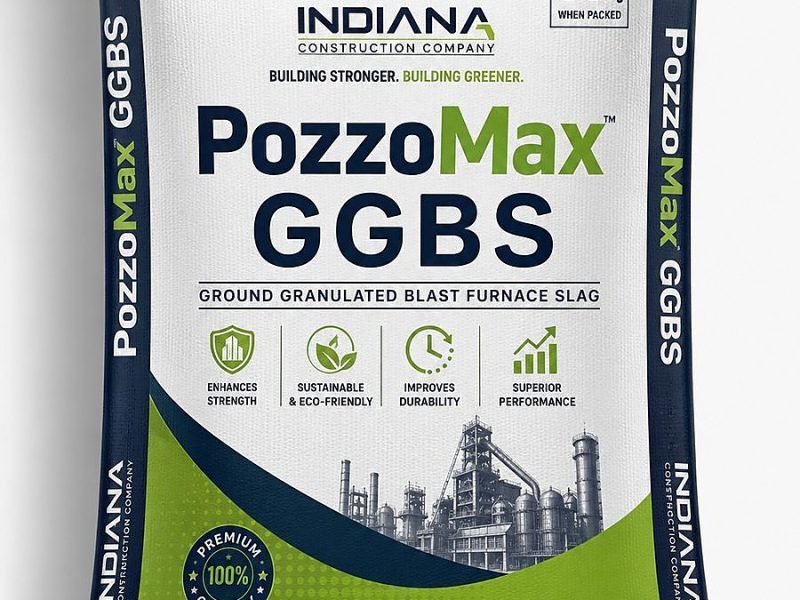
PozzoMax GGBS
Ground Granulated Blast Furnace Slag — a sustainable by-product of steel production that transforms concrete performance. Replace up to 70% of cement. Get 25–50% more long-term strength.
Complying with IS standards — GGBS: IS 16714:2018 · Ultrafine GGBS: IS 16715:2018
From Steel Furnace to Superior Concrete
For decades, steel slag was discarded as industrial waste. Water quenching turns it into glassy granules; grinding turns those granules into a pozzolanic powder that can replace your cement.
– – – – -▶
Step 01
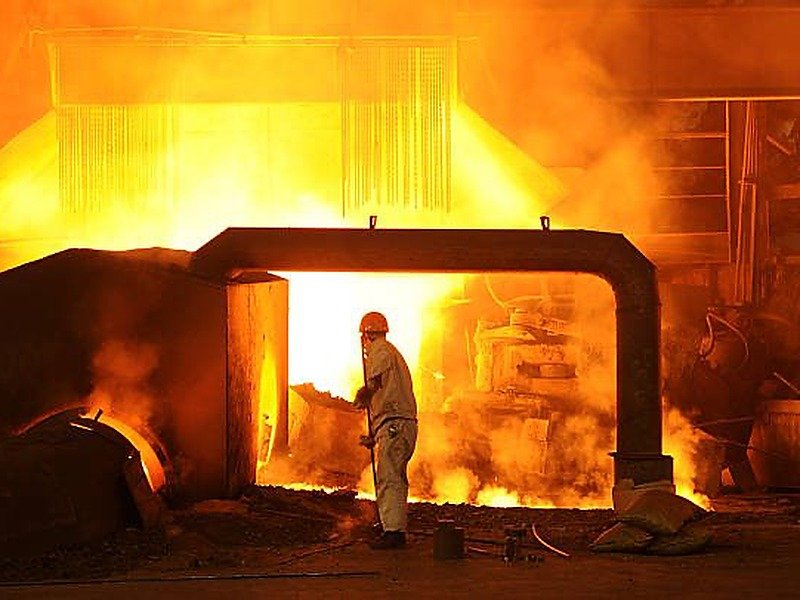
Steel Furnace Operation
Iron ore, coke and limestone are fed into steel furnaces operating at approximately 1,500°C.
Step 02
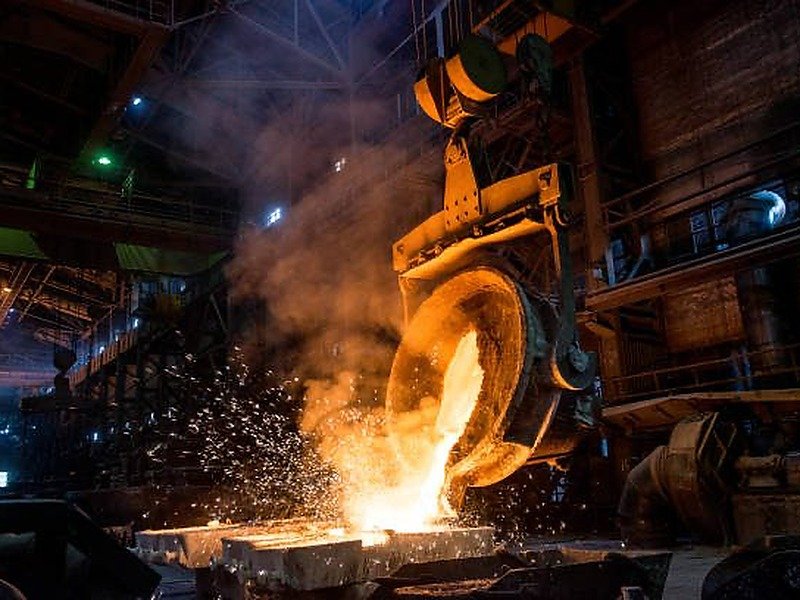
Slag Formation
Slag — a by-product — floats on top of the molten iron during the steel-making process.
◀- – – – – –
– – – – – -▶
Step 03
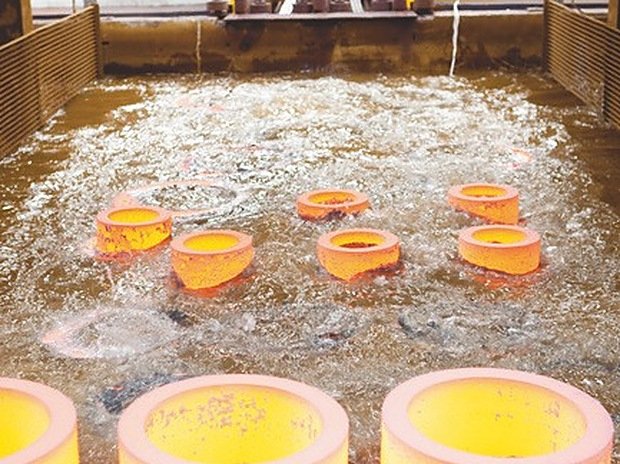
Rapid Water Quenching
The molten slag is rapidly cooled with water to form glassy granules, preserving its cementitious properties.
Step 04
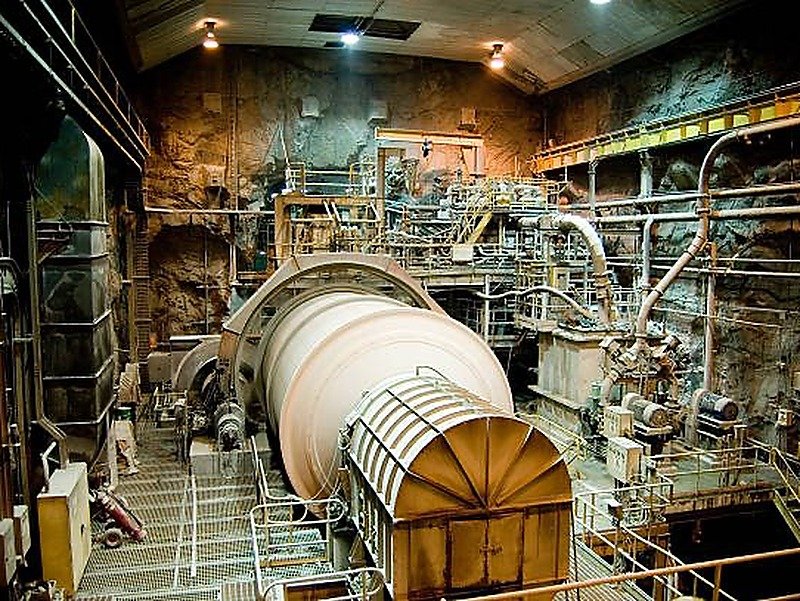
Grinding to Powder
Granulated slag is ground in an advanced ball mill into a fine powder — high-quality GGBS, a superior cementitious material.
◀- – – – – –
– – – – – -▶
Step 05 · The Result
PozzoMax GGBS
Packed in 50kg bags, jumbo bags and bulkers — ready to replace up to 70% of Ordinary Portland Cement with superior performance and dramatically lower carbon.
The result: a cementitious material that replaces up to 70% of Ordinary Portland Cement while delivering superior performance and dramatically lower carbon emissions.
Still Using Only OPC in 2026?
You Are Already Behind.
The smarter shift: blended systems using GGBS & Ultrafine GGBS. The question is not whether to shift — it’s how fast you adapt.
OPC Alone
High Carbon. Low Durability.
Ordinary Portland Cement alone means a heavy carbon footprint, higher heat of hydration and structures that age faster.
GGBS Blended
Better Durability. Better Future.
Blended concrete with GGBS & Ultrafine GGBS — stronger, greener and built to last generations.
Up to 50% Lower Carbon Footprint
Higher Durability
Better Long-Term Strength
Improved Workability & Finish
The Numbers Behind PozzoMax
(up to)
12 Compelling Reasons
Replace Up to 70% of OPC
Flexible replacement of Ordinary Portland Cement in concrete mixes.
Cost Saving
Reasonable saving in concrete cost without compromising quality.
25–50% More Strength
Superior long-term compressive strength vs. traditional cement.
At Your Doorstep
Flexible packing: 50kg bags, jumbo bags and bulkers.
Extended Structure Life
Enhanced durability and resistance for homes and structures.
Reduced Carbon Impact
Cuts embodied carbon of buildings by up to 90%.
Environmental Protection
Contributes to environmental and sustainability goals.
Lower Life-Cycle Cost
Minimal maintenance over the structure's lifetime.
Lower Temperature of Hydration
Ideal for mass pours and thick sections.
Smooth Finish
Better workability, placing and surface finish.
Elimination of Chloride Attack
Dense matrix resists chloride and sulphate ingress.
Reduces Thermal Cracking
Lower heat rise means fewer early-age cracks.
GGBS vs. Portland Cement — The Clear Winner
For decades, steel slag was discarded as industrial waste. Water quenching turns it into glassy granules; grinding turns those granules into a pozzolanic powder that can replace your cement.
| PARAMETER | PORTLAND CEMENT | GGBS |
|---|---|---|
| CO₂ Emission | Very high (0.8-1 MT/MT) | Up to 90% less |
| Strength | Good early strength | Superior long-term strength |
| Durability | Good | High long-term durability |
| Heat of Hydration | High | Low — ideal for mass concreting |
| Cost | Expensive | Lower cost per performance unit |
| Sustainability | Non-renewable | 100% recycled & circular |
Where Our Materials Are Used
From metro viaducts to marine works — GGBS, Ultrafine GGBS and Micro Silica across India’s toughest concrete jobs.
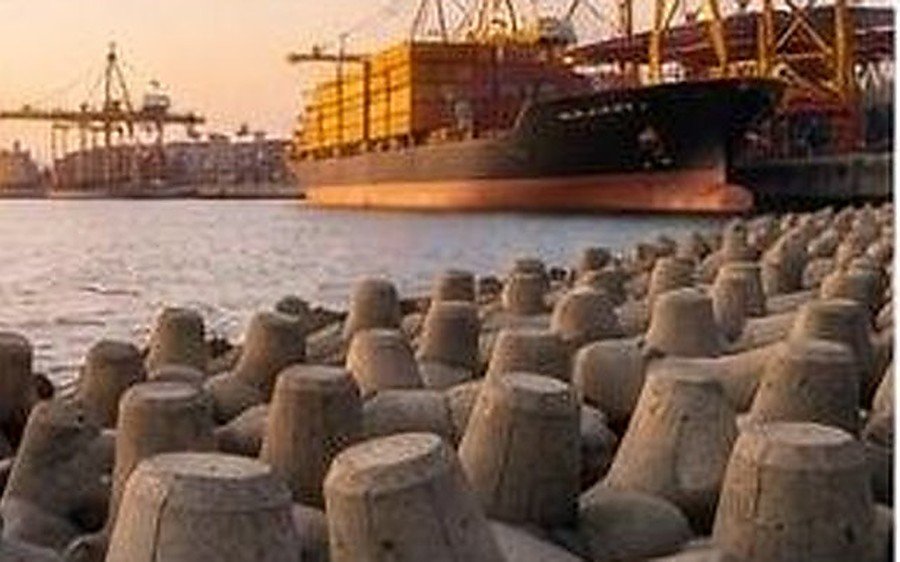
Marine & Coastal Works
Chloride resistance for jetties, sea links and coastal foundations.

Highways & Ready-Mix
Better crack resistance and lower life-cycle cost on long pavements.
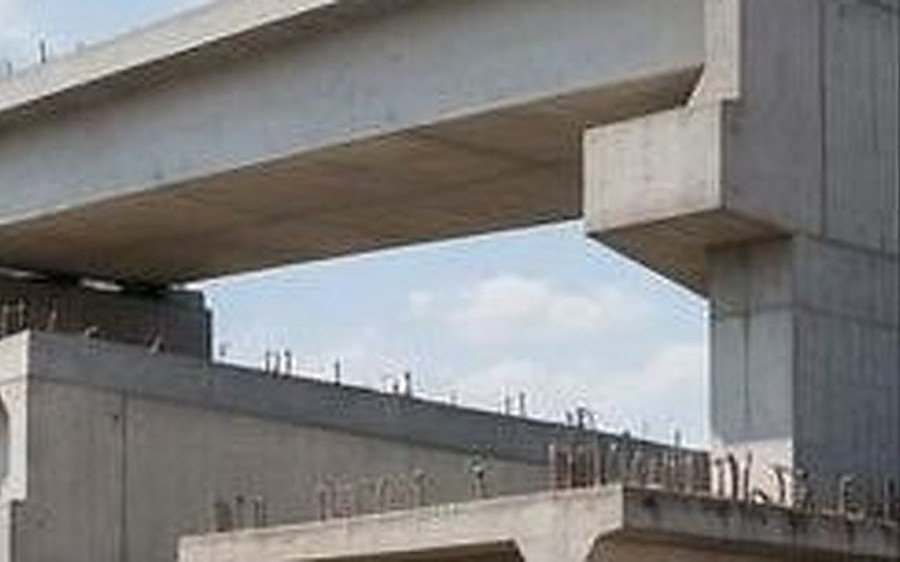
Precast & Prestressed
Consistent finish and dimensional stability, batch after batch.
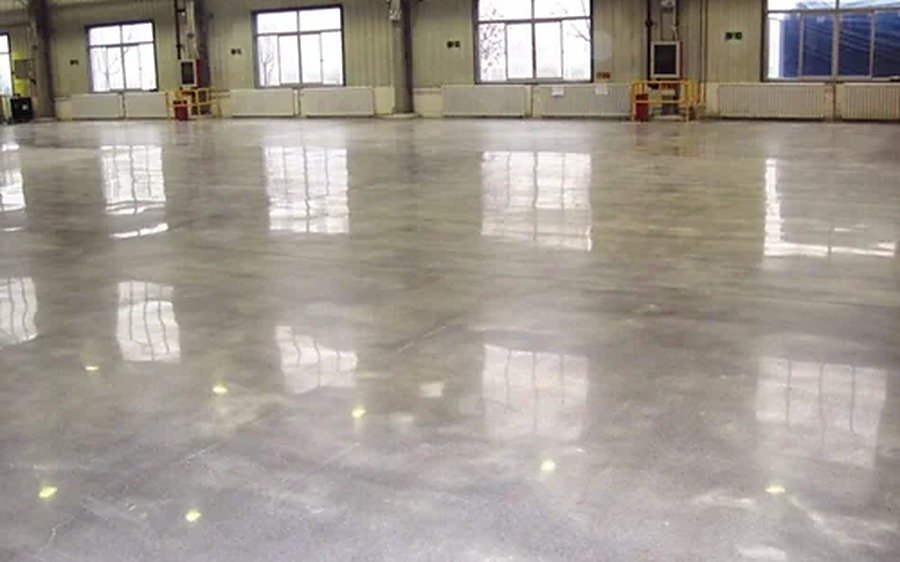
Industrial Floors
Abrasion and chemical resistance for plants and warehouses.
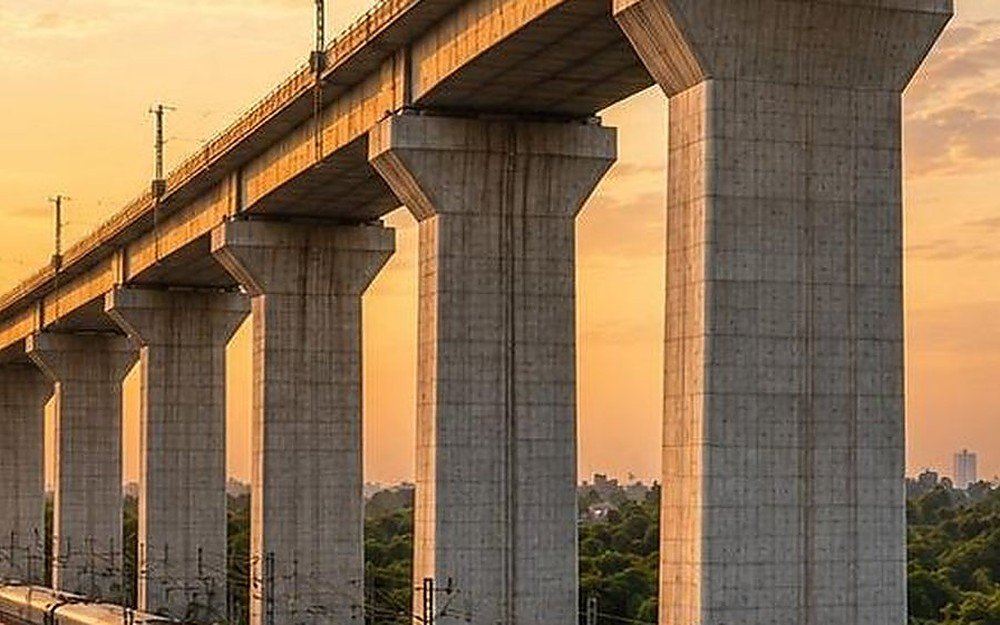
Viaducts & Metro Segments
Higher long-term strength and lower maintenance across elevated corridors.
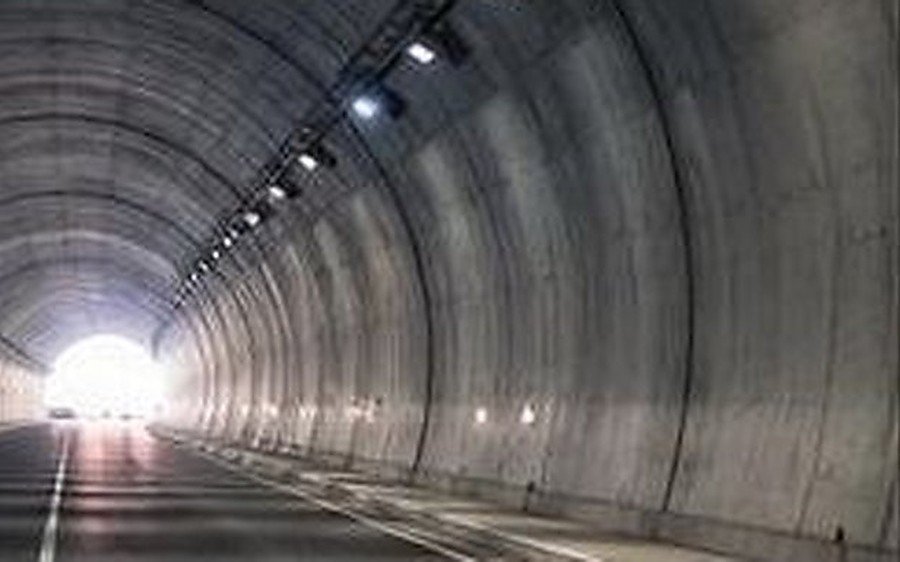
Tunnel Linings & Shotcrete
Low heat of hydration and dense, low-permeability concrete underground.
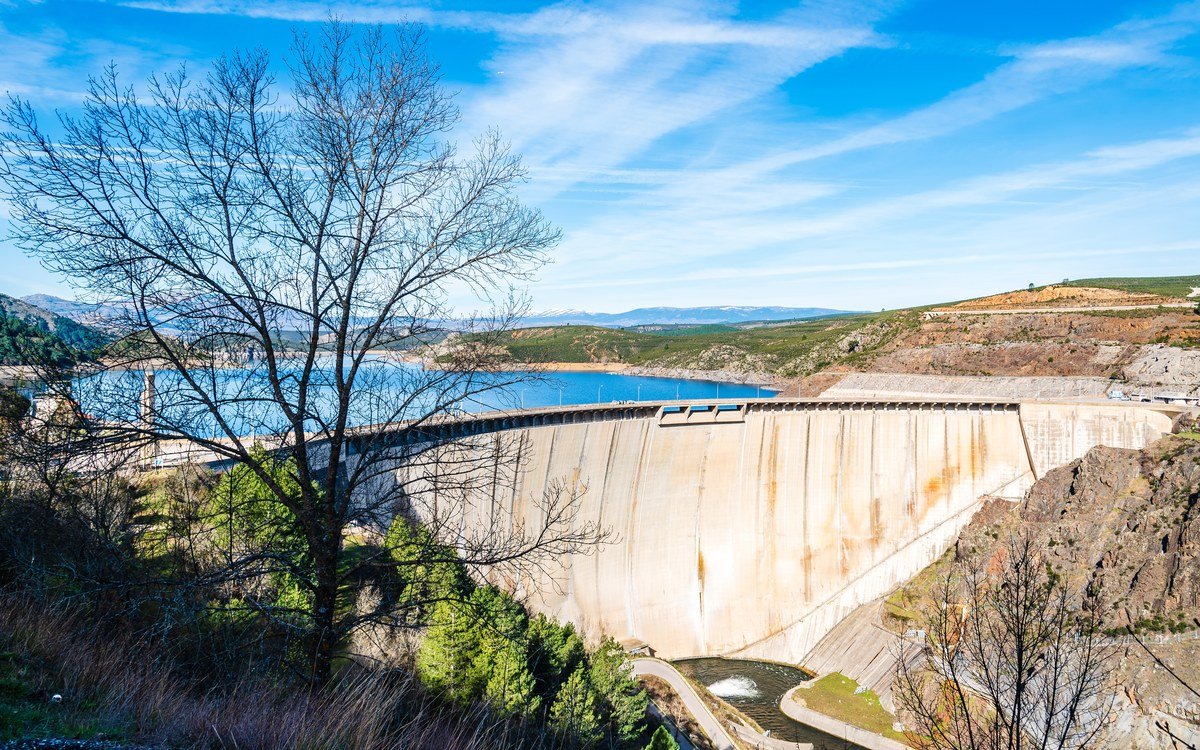
Dams & Mass Concrete
Controls thermal cracking in large pours and resists sulfate attack.
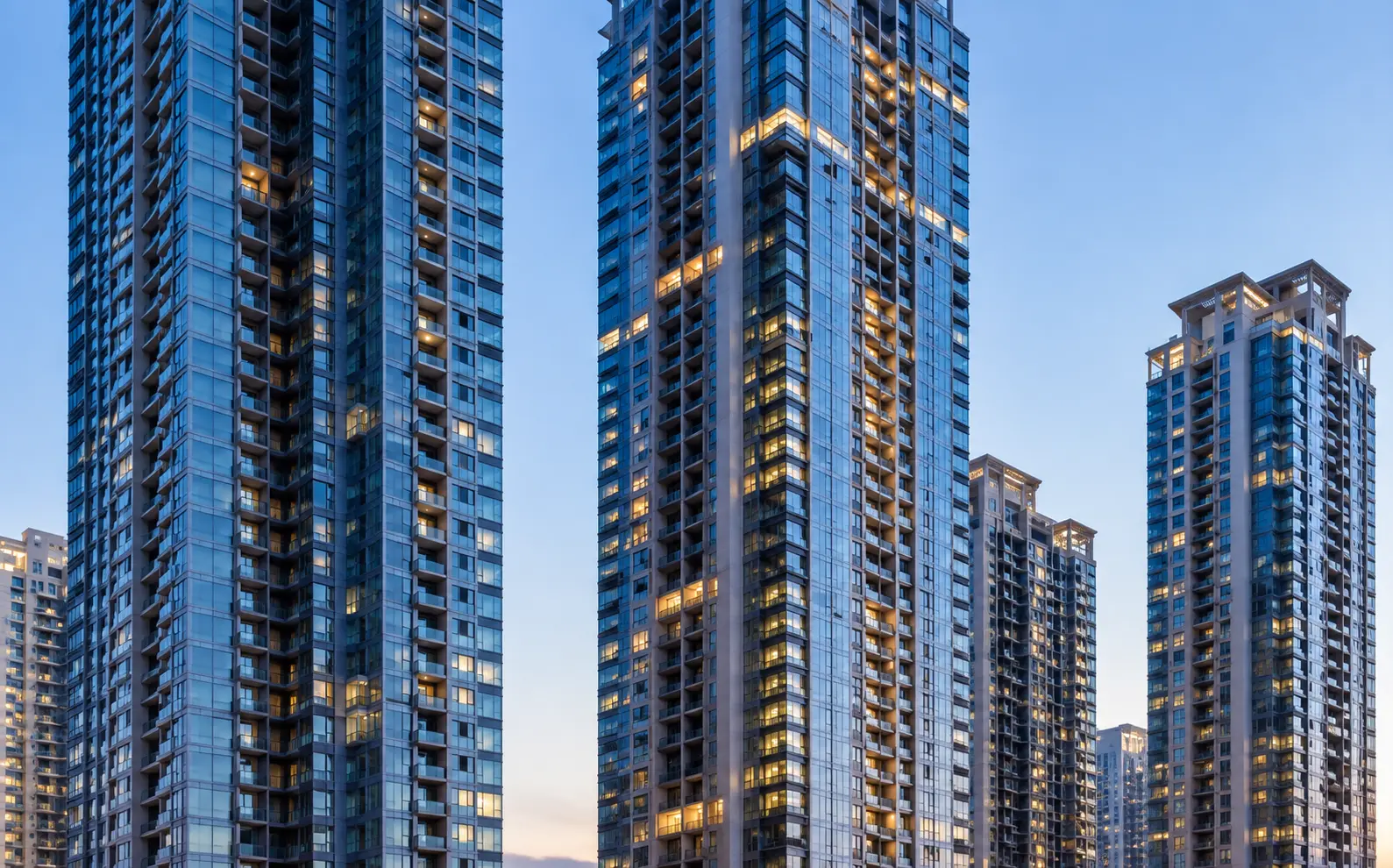
Towers & High-Rise Cores
Reduced shrinkage and creep for M50+ mixes in tall structures.